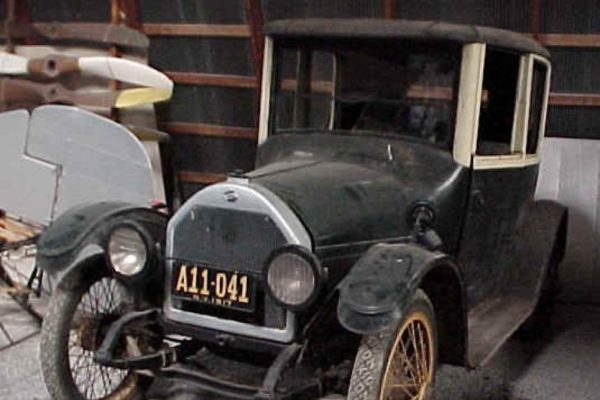
Starting as a salesman for the Detroit Auto Vehicle Company, John N. Willys met with great success. The Overland Company of Indianapolis was on the brink of bankruptcy when Willys was called in to rescue it. Shortly thereafter the company became known as the Willys Overland Company of Toledo, Ohio. Later in his career Willys […]
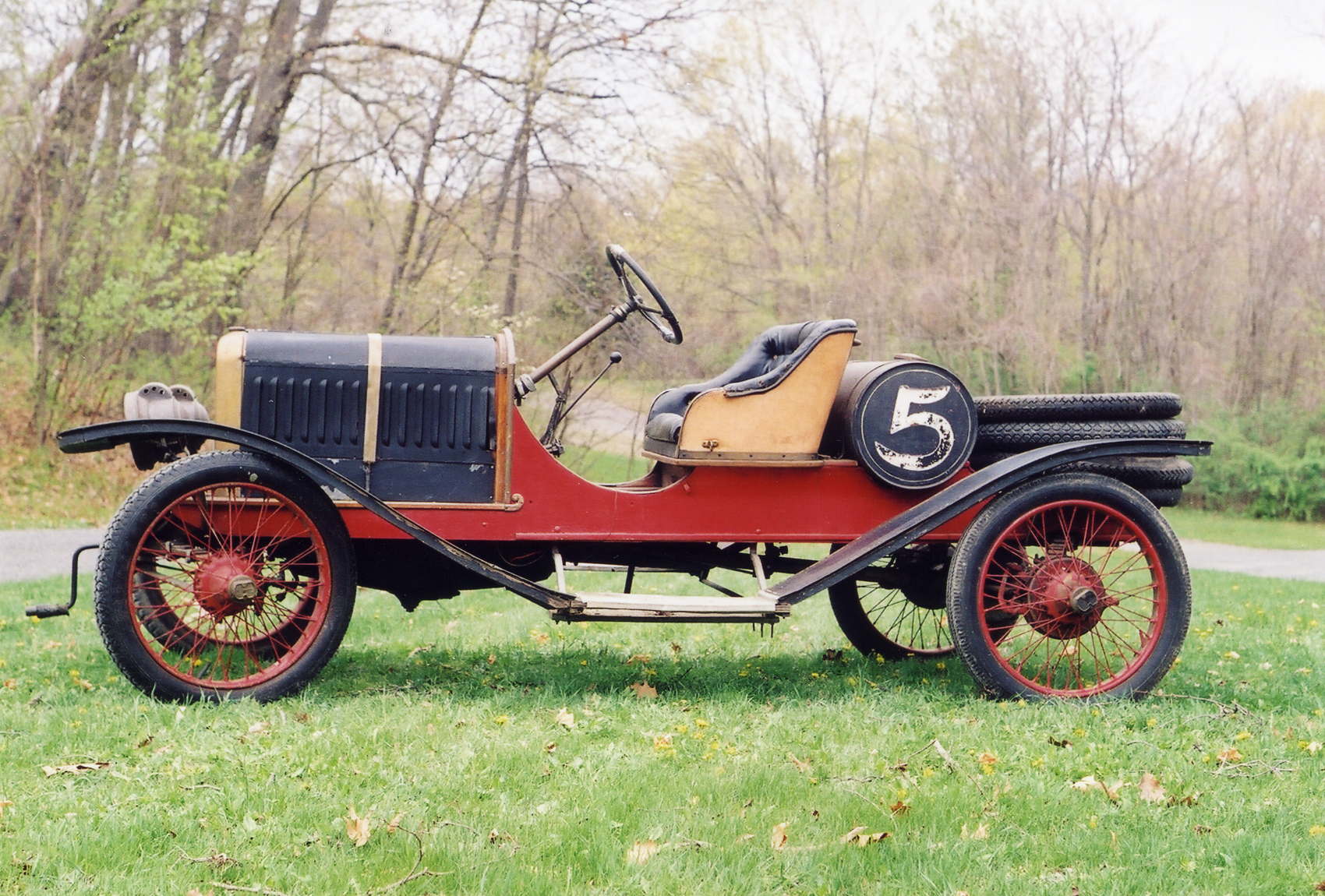
Willys Overland Sportster
The Overland Company had four separate factories which turned out a brand new car every 4 minutes. An advertisement claimed that the Overland was “Almost trouble-proof” and one successfully accomplished test of endurance was the running of an Overland for over 7,000 miles without stopping the engine.
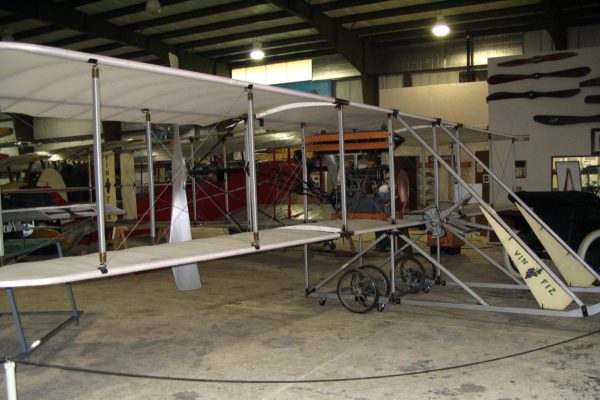
Wright EX “Vin Fiz”
Year: 1911
Engine: 4 Cyl. Wright Aero
Horsepower: 35
Wingspan: 31 ' 6"
Top Speed: 52 mph (83 km/hr)
Gr. Weight: 903 lbs (410 kg)
Original/Reproduction: Reproduction
The “Vin Fiz” piloted by “Cal” Rodgers, became the first aircraft to make a successful transcontinental crossing of the United States by air. The audacious trip included some 75 landings, 16 of which ended in crashes. The repairs added countless days to the trip, which was completed in 49 days, well past the 30-day limit needed to win a $50,000 prize!
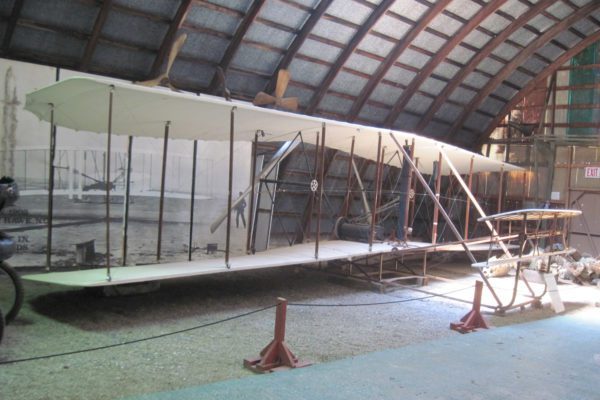
Wright Flyer
Year: 1903
Engine: Wright
Horsepower: 12
Wingspan: 40 ' 4"
Gr. Weight: 605 lbs (274 kg)
Original/Reproduction: Reproduction
On December 17, 1903 with Orville Wright at the controls, Flyer No. 1, became the world’s first, powered and controlled aircraft to successfully carry a man aloft. In just 12 seconds, Wright flew 120 feet at an estimated groundspeed of 6-7 mph. This seminal event and successive designs would propel the Wrights to world fame. To this day, their success has continuously inspired generations of entrepreneurs, designers and aviators around the globe to achieve countless new firsts in aviation.
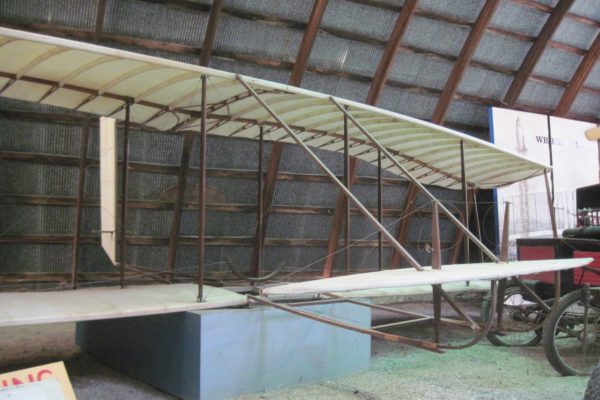
Wright Glider
Year: 1902
Wingspan: 32 ' 1"
Gr. Weight: 250 lbs (113 kg)
Original/Reproduction: Reproduction
In 1896 Orville and Wilbur Wright started to pursue their dream of powered, controlled flight. The brothers took a scientific approach, utilizing the accumulated knowledge of flight from their predecessors and contemporaries, and through developing scientific experiments of their own. They built a series of gliders to test new ideas on, the 1902 glider was […]